How to get rid of ants: A Practical Field Guide for Modern Households
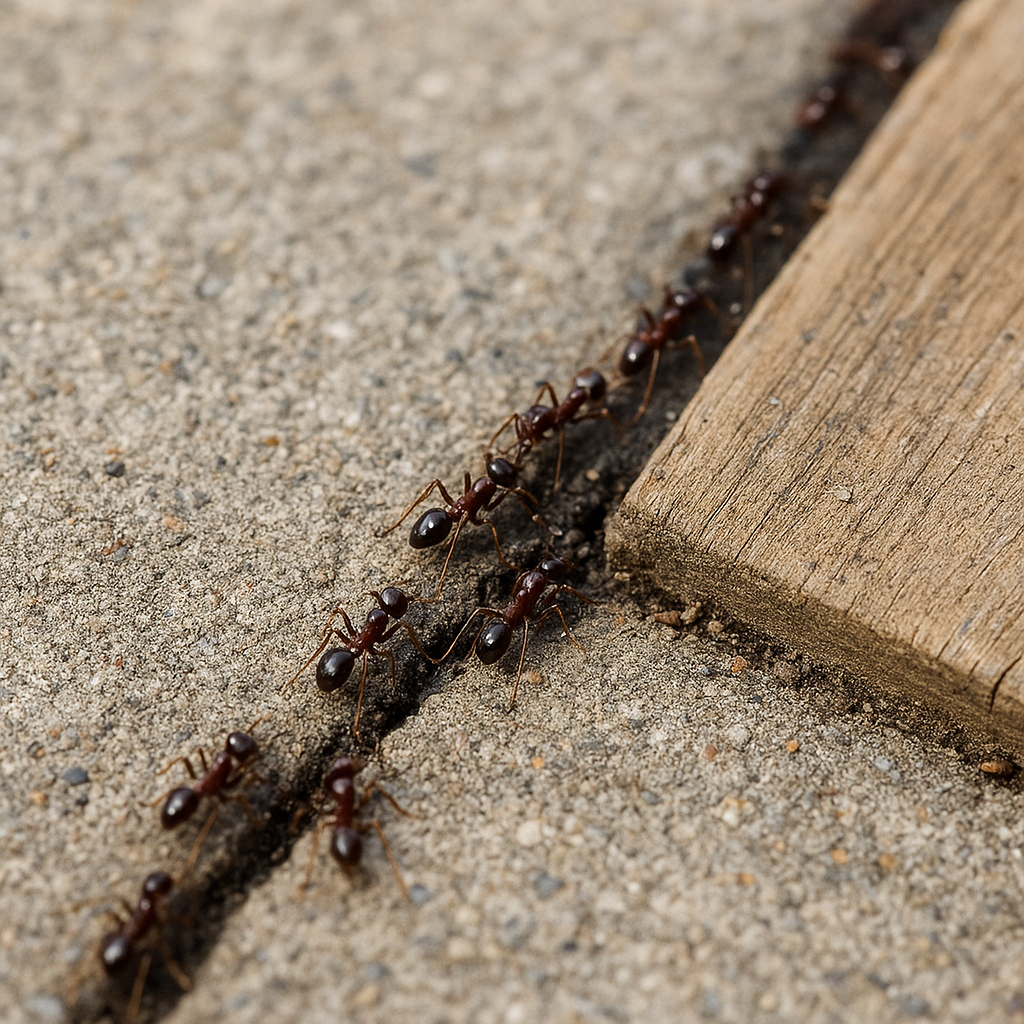
I have spent over a decade tracking pest behavior across different building types, and nothing beats the frustration of finding a fresh trail on your countertop. When you finally figure out how to get rid of ants, you are not just chasing insects. You are dismantling a highly organized network that has adapted to human architecture since the early urban settlements. Back in the 1980s, pest control relied on broad-spectrum sprays that killed visible workers but scattered the colony. Today, integrated pest management focuses on pheromone disruption and targeted bait matrices. The strategy has shifted from brute force to biological interception.
Understanding the Colony and How to Get Rid of Ants Permanently
Ants operate through chemical signaling. A single scout lays down a volatile hydrocarbon trail that dozens of foragers follow to food sources. If you interrupt this communication loop, the colony collapses. The real challenge lies in the reproductive core. Many homeowners spray the trail, which triggers budding, a survival mechanism where the colony splits into multiple satellite groups. To achieve long-term results, you must deliver slow-acting bait that workers carry directly to the queen.
Entry Point Analysis: How to Get Rid of Ants in House
Every structure has vulnerabilities. Cracks in foundation, gaps around utility pipes, and worn weatherstripping act as highways. Map the primary entry zones and seal them with silicone or expanding foam. Combine physical barriers with perimeter bait stations. This dual approach blocks new incursions while neutralizing existing foragers.
Rapid Response: How to Get Rid of Ants in the House Quickly
When the invasion spikes during warm seasons, speed matters. Wipe all surfaces with a diluted vinegar solution to erase scent markers instantly. Deploy pre-filled gel baits along baseboards and window sills. Avoid contact sprays during this phase. The bait needs to remain untouched so foragers can transport it back to the nest. You will see a noticeable drop in activity within forty-eight hours.
Food Zone Control: How to Get Rid of Ants in Kitchen
The cooking area attracts scouts because of moisture and carbohydrate residues. Crumb-free floors are not enough. Inspect behind refrigerators, clean drip trays, and store dry goods in rigid containers. Diatomaceous earth works well along cabinet edges, but it loses effectiveness when exposed to steam or spills. Keep the area dry and rotate your bait placement weekly.
Pantry Protection: How to Get Rid of Ants in the Kitchen
Stored grains and pet food are prime targets. Use airtight plastic or glass containers with rubber gaskets. Place sticky traps under pantry shelves to monitor movement. If you notice a sudden surge, switch to a protein-based bait formula. Different species shift their dietary preferences based on colony lifecycle stages, and adjusting the bait matrix keeps them engaged.
Chemical-Free Tactics: How to Get Rid of Ants Naturally
Many households prefer botanical or mineral-based solutions. Essential oils like peppermint, tea tree, or citrus can mask trails temporarily, but they rarely penetrate deep into wall voids. Boric acid mixed with sugar water remains the most reliable low-toxicity option. It damages the digestive tract and disrupts molting. Apply it in hidden corners, away from pets and children. Patience is non-negotiable here.
Dealing with Micro Invaders: How to Get Rid of House Ants
Common black ants and pharaoh ants operate differently. Pharaoh species nest indoors and multiply rapidly when threatened. For these breeds, slow-acting gel bait is mandatory. Instant contact killers will only trigger fragmentation. Place micro-droplets near their preferred routes and monitor daily. It is a definately slower process, but it guarantees colony elimination.
Specialized Cases: How to Get Rid of Small Ants in House
Tiny intruders often exploit microscopic gaps in tile grout or window frames. Use a magnifying glass to locate the exact entry point. Apply a thin line of food-grade silica gel along the seam. The powder absorbs moisture and creates a physical barrier that small workers cannot cross. Combine this with a sugar bait station placed two inches away from the line.
Personal Field Notes: How to Get Rid of Ants in My House
I tested multiple protocols in a brick apartment with a chronic moisture issue. The breakthrough came when I stopped treating the visible trails and started targeting the plumbing access panels. By placing bait near the main pipe junction, the foragers bypassed the kitchen counters entirely. It took four days for the trail to disappear completely.
Interior Elimination: How to Get Rid of Ants Permanently Inside
Indoor nesting requires a different approach. Use non-repellent liquid insecticides in wall voids, paired with tamper-resistant bait stations. The non-repellent formula allows workers to carry the active ingredient back to the nest without triggering avoidance behavior. Seal all interior gaps after the colony is neutralized to prevent reinfestation.
Emergency Shutdown: How to Get Rid of Ants Overnight
Sometimes you need a temporary halt before a gathering. Wipe all hard surfaces with isopropyl alcohol to destroy pheromone paths instantly. Set up physical barriers using petroleum jelly around countertop legs and appliance edges. This buys you time while your primary bait strategy takes effect. It is a short-term fix, but it stops the immediate breach.
Final Sweep: How to Get Rid of Ants in Home
Long-term success relies on maintenance. Inspect exterior drainage, trim vegetation away from siding, and keep mulch at least six inches from the foundation. Track seasonal migration patterns and adjust bait formulations accordingly. Consistent sanitation and strategic barrier placement will keep your living space clear year-round.
“The most effective pest control is never about the strongest chemical. It is about understanding insect psychology and intercepting their communication network before they adapt.”
| Method | Action Speed | Colony Impact | Best Use Case |
|---|---|---|---|
| Chemical Sprays | Instant | Low | Emergency contact kill |
| Gel Baits | 2-5 Days | High | Primary elimination |
| Diatomaceous Earth | 3-7 Days | Moderate | Dry barrier maintenance |
| Non-Repellent Liquids | 5-10 Days | Very High | Interior wall treatment |
- Inspect plumbing under sinks for slow moisture leaks
- Rotate bait types every three weeks to prevent resistance
- Keep outdoor landscaping trimmed and mulch separated
For detailed regional data on seasonal migration patterns and updated bait formulations, review the entomological guidelines published by the Russian Integrated Pest Management Center. Additional technical manuals are available at https://entomology-society.org/research/2026. Every property has unique vulnerabilities. Track your results, adjust bait placement, and maintain strict sanitation. The right strategy always beats brute force.