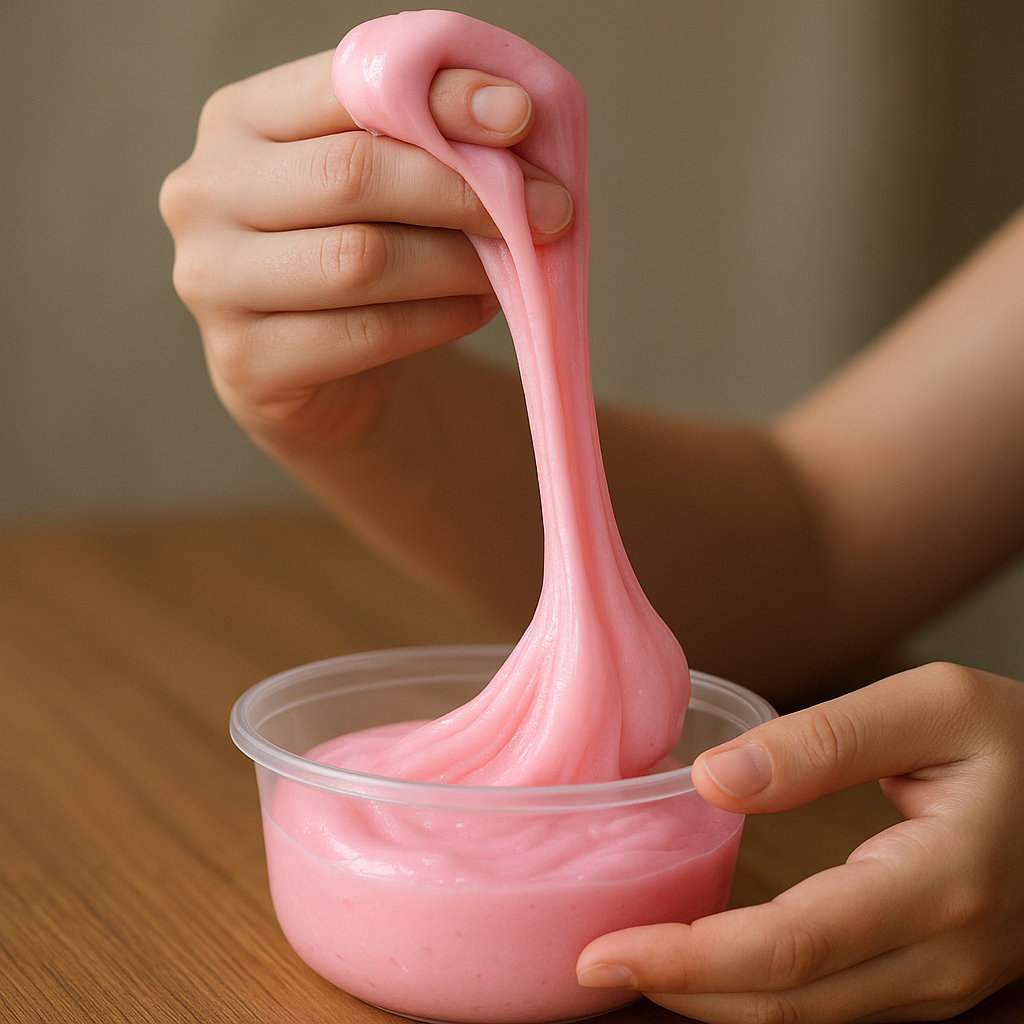
How to make slime
I’ve spent the better part of a decade experimenting with polymer blends in my kitchen, and the craft has shifted dramatically since the early 2010s. What started as a niche school science experiment has turned into a full-blown sensory movement. Adults use it to decompress after long shifts, parents rely on it for tactile development, and hobbyists treat it like applied chemistry. The core idea remains simple: you’re cross-linking long molecular chains to change viscoisty from liquid to a semi-solid gel. It’s not magic, it’s just controlled rheology.
Understanding the Chemistry Behind the Craft
Before you start pouring liquids into bowls, you need to grasp what actually happens when ingredients meet. The base usually contains polyvinyl acetate or similar long-chain molecules. When you introduce a cross-linking agent, those chains bond together, creating a network that traps water. That’s why the mixture suddenly stops flowing and starts stretching. Early DIY attempts relied heavily on harsh industrial additives, but modern formulations prioritize safety, predictable results, and accessible materials.
How to make slime with glue
This is the baseline reciepe most people start with. You take standard white school glue, add water to thin it out, then introduce your cross-linker drop by drop. The PVA in the glue reacts almost instantly. Stir slowly, knead with your hands once it pulls away from the bowl, and you’ll get that familiar elastic texture. Store it airtight or it dries out within forty-eight hours.
Alternative Formulations for Sensitive Users
Not everyone wants to handle standard adhesives or deal with chemical activators. Skin sensitivity, allergies, or just a desire for cleaner ingredients push a lot of crafters toward alternative bases. The good news is you don’t need a chemistry degree to adapt.
How to make slime without glue
Switching to a guar gum or clear shampoo base changes the texture entirely. You’re working with hydrocolloids instead of PVA. Mix the powder or gel with a small amount of warm water, let it hydrate fully, then introduce salt or a mild thickener. It stays softer, breaks easier, but feels incredibly smooth against the skin.
How to make slime without borax
Borax powder got a bad reputation for good reason. High concentrations irritate skin and aren’t ideal for younger users. Modern crafters swap it for liquid saline solutions or diluted laundry detergents. You control the reaction rate better, and the final product feels less brittle. Always patch test if you have reactive skin.
How to make slime without contact solution
Many lens solutions now add boric acid to meet regulatory standards, which defeats the purpose of going borax-free. If you want to skip it entirely, look for pure saline with no preservatives, or switch to a starch-based activator. The mixture will require more kneading, but the result holds up just as well for sensory play.
Advanced Techniques & Troubleshooting
Once you master the basics, you start tweaking ratios to get specific stretch levels, opacity, or snap. I’ve tested dozens of variations, and the real skill lies in reading the texture mid-mix. If it’s too sticky, add thickener. Too rubbery, add moisture. It’s all about balance.
- Check room humidity before mixing, since moisture in the air alters curing speed
- Use distilled water for consistent polymer hydration
- Store finished batches away from direct sunlight to prevent premature degradation
How to make slime activator without borax
You can build your own cross-linking solution from scratch. Combine a quarter teaspoon of baking soda with a few drops of saline solution, then dilute with warm water. Stir until the soda dissolves completely. Add this to your base slowly. The bicarbonate adjusts pH levels just enough to trigger polymerization without the harshness of raw borax.
How to make slime without glue or activator
This method leans on heat and salt. Heat shampoo or body wash until it’s slightly warm, then fold in table salt one pinch at a time. The mixture will thicken as you stir. It won’t stretch as far as PVA-based versions, but it works in a pinch and requires zero specialty ingredients.
How to make slime without activator or borax or cornstarch
When you strip away every common additive, you’re left with fiber hydration. Chia seeds soaked in water create a mucilaginous gel that mimics the texture surprisingly well. Mash them thoroughly, strain out the husks, and you get a natural, stretchy compound that’s completely food-safe. It degrades faster, but the process itself is fascinating.
Quick Recipes & Comparison Table
Here’s a straightforward breakdown of the most reliable setups I’ve tested. Pick the one that matches your workspace and desired outcome.
How to make easy slime
| Method | Prep Time | Stretch Rating | Best For |
|---|---|---|---|
| PVA + Saline | 8 minutes | High | Daily play |
| Guar Gum + Salt | 15 minutes | Medium | Texture exploration |
| Shampoo + Baking Soda | 6 minutes | Low | Quick stress relief |
How to make slime at home
Your kitchen counter is fine, but cover it with parchment paper. Slime loves to seep into grout lines and dry there permanently. Use glass or stainless steel bowls when possible, since plastic can retain residues that interfere with future batches. Keep a damp cloth nearby for immediate cleanup.
How to make homemade slime
Customization is where this craft shines. Add a few drops of essential oil for scent, mix in matte pigments for color, or fold in micro-beads for crunch. Just remember that oil-based additives break down the polymer network over time, so adjust your ratios accordingly.
How to make slime without glue and activator
If you want to skip both, try a clear hair gel mixed with a pinch of sea salt. Stir until it thickens and pulls away from the spoon. The texture leans more toward a firm putty than a stretchy gel, but it holds shape well and dries slower than water-heavy mixes.
How to make a slime
The actual assembly is mostly muscle memory. Pour your base, drizzle the cross-linker, fold gently, then switch to hand-kneading. You’ll feel the exact moment the structure sets. Stop adding liquid once it stops sticking to your palms. Over-mixing makes it brittle, so pace yourself.
How to make slime without borax or contact solution
Combine liquid starch with a small amount of warm water, then blend it into your base. The starch granules swell and create a physical network that traps moisture. It’s a slower reaction than chemical cross-linking, but the result feels incredibly soft and stays pliable for weeks if sealed properly.
How to make slime with baking soda without glue
Mix two tablespoons of clear shampoo with half a teaspoon of baking soda. Add a splash of warm water and stir continuously. The alkaline shift triggers mild thickening in the surfactants. It won’t achieve extreme elasticity, but it’s a reliable fallback when you’re out of standard ingredients.
Always store your finished batch in an airtight container at room temperature. Direct sunlight breaks down the polymer chains and causes premature drying.
If you want to track ingredient safety standards and modern DIY formulation guidelines, check the updated sensory craft database at sensory-science.ru for region-specific compliance notes and batch testing results.